
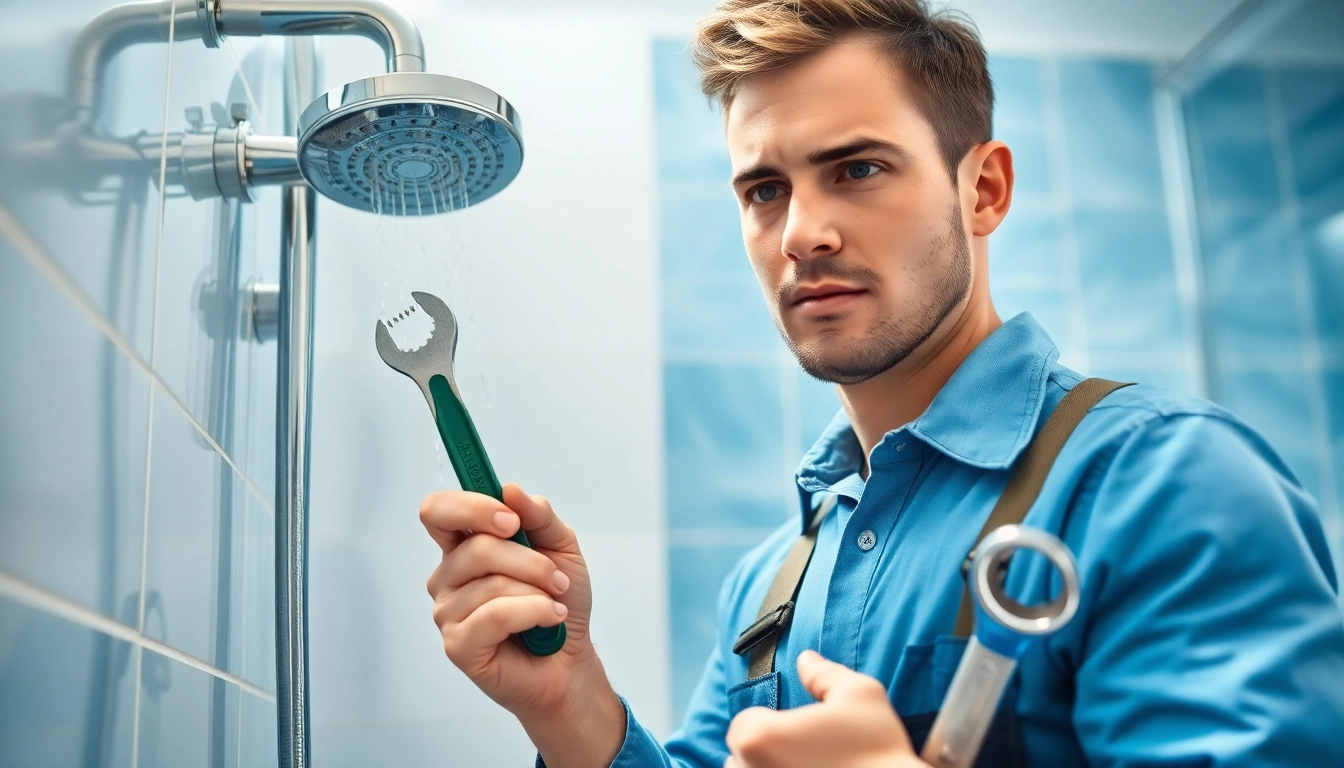
Understanding Why Your Shower Not Working
When you step into the shower, the expectation is a refreshing cascade of water, but what happens when that water doesn’t flow? A non-functional shower can disrupt your daily routine and lead to frustration. Understanding the underlying causes of shower not working issues is crucial for any homeowner. From minor glitches to serious plumbing issues, recognizing the signs can help you troubleshoot effectively and maintain your bathroom’s functionality.
Common Causes of Shower Malfunctions
Various factors could lead to a malfunctioning shower. Here are the most prevalent issues:
- Clogged Showerhead: Mineral deposits can accumulate, blocking water flow.
- Mismatched Temperature Controls: If the hot and cold water controls are not working in harmony, it can prevent you from achieving your desired temperature.
- Burst or Leaky Pipes: Any break in the piping can cause a significant reduction in water pressure or even restrict water flow altogether.
- Malfunctioning Shower Valve: The valve controls the water passage. If it’s defective, the shower will not operate correctly.
The Importance of Water Pressure
Water pressure is a critical aspect of shower functionality. Low water pressure might not let enough water reach your showerhead, making it ineffective. Factors affecting water pressure include:
- Pipe size and design.
- Clogs in the plumbing.
- Your municipal water supply pressure.
Periodic checks on your water pressure can prevent future hassles and ensure a more enjoyable shower experience.
When to Call a Professional
While many issues are manageable by homeowners, some require professional expertise. If you encounter persistent problems with your shower not working, consider contacting a plumber. Signs that you need professional help include:
- Frequent leaks or puddles around your shower.
- Repeated loss of water pressure despite cleaning.
- Unusual noises such as banging or hissing.
Step-by-Step Troubleshooting for Shower Not Working
In the event of a malfunction, it helps to troubleshoot systematically. Here’s a step-by-step guide to getting your shower back on track:
Checking the Temperature Control
To begin, examine the temperature control settings. If you’re unable to achieve any warmth, the temperature control valve may be misaligned or broken. Here are the steps to check:
- Turn off the shower completely.
- Inspect the control knob or lever for any signs of damage.
- Adjust to see if it responds properly.
- If issues persist, consider removing the valve to reevaluate or consult a professional.
Inspecting Pipes and Valves
Pipe and valve integrity is paramount for a functioning shower. Issues can arise from corrosion, leaks, or blockages. Follow these steps:
- Inspect visible pipes for leaks.
- Test valves by shutting off the water, removing them, and checking for signs of damage.
- If you encounter rust or blockage, consider cleaning or replacing the affected parts.
Assessing Shower Head Blockages
Showerhead blockages can significantly reduce water flow. To resolve this issue:
- Detach the showerhead from the pipe.
- Soak it in a vinegar solution if there’s mineral buildup.
- Use a small brush to clear out any remaining debris.
- Reattach the showerhead and test the water flow.
Preventative Maintenance for a Functional Shower
Preventative maintenance is essential to avoid future shower malfunctions. Here are effective strategies to ensure consistent performance:
Regular Cleaning Tips
Cleaning your shower should be part of your routine home maintenance. Here’s how to keep it in tip-top shape:
- Use non-abrasive cleaners and sponges to prevent damage.
- Regularly clean the showerhead and faucet to avoid buildup.
- Wipe down tiles and grout to prevent mold and mildew growth.
Seasonal Inspections
Conduct thorough inspections at least twice a year. This includes checking:
- Pipes for leaks or rust.
- Shower valves for smooth operation.
- Water pressure levels to identify potential issues early on.
Upgrading Shower Components
Consider upgrading specific shower components like showerheads, faucets, or valves. Modern fixtures not only improve functionality but can also enhance water efficiency.
- Opt for low-flow showerheads.
- Consider thermostatic valves for stable temperature control.
- Examine available materials to minimize corrosion.
Common Myths About Showers Not Working
Several myths can mislead homeowners when dealing with shower issues. Debunking these misconceptions can lead to more effective solutions.
Debunking Common Misconceptions
Beliefs such as “only old pipes can cause problems” are untrue. Malfunctions can occur in new installations too. Always investigate the precise issue before blaming the infrastructure.
Understanding DIY Limitations
Many homeowners feel confident taking on repairs but fail to recognize their limitations. Engaging in complex plumbing repairs without proper knowledge can lead to more extensive problems. Know when to seek help!
The Role of Plumbing Codes
A common error is assuming that all plumbing work is up to code. Understanding local plumbing codes ensures renovations and repairs are safe and legitimate, protecting you from potential liabilities.
Frequently Asked Questions about Shower Malfunctions
What should I do if my shower isn’t draining?
Check for clogs in the drain, clean the trap, or use a drain cleaner product.
How can I improve water pressure in my shower?
Inspect your pipes for leaks, clean or replace the showerhead, or consult a plumber for assessments.
Is it safe to fix plumbing issues on my own?
Minor issues can be tackled, but complicated problems should be handled by a professional plumber.
Why is there a strange noise coming from my shower?
Strange noises may indicate water hammer or air trapped in the pipes; adjust water pressure or consult an expert.
How often should I maintain my shower?
Regular cleaning and inspection every few months can prevent major issues and ensure optimal performance.