
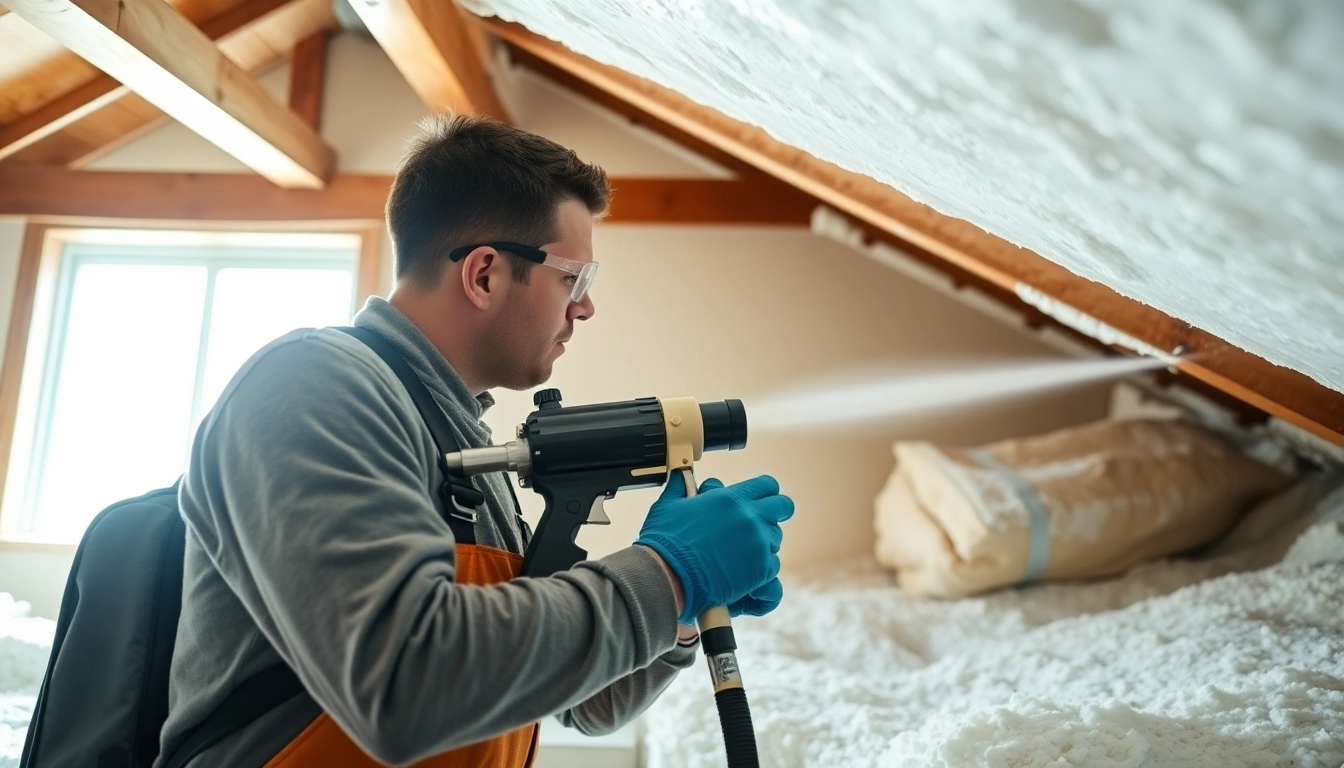
Understanding Problems with Spray Foam Insulation
Spray foam insulation is acclaimed for its energy efficiency and durability. However, issues can arise during installation and usage that may compromise its effectiveness. Understanding problems with spray foam insulation is crucial for homeowners seeking to maximize their investment in insulation while ensuring their house remains safe and energy-efficient.
Types of Spray Foam Insulation
Spray foam insulation is primarily available in two types: open-cell and closed-cell. Each type has its own unique properties, benefits, and potential drawbacks.
- Open-Cell Spray Foam: This is a less dense option, expanding upon application. It allows for greater sound absorption but may not provide as much vapor barrier as closed-cell foam. It is typically less expensive and ideal for interior applications.
- Closed-Cell Spray Foam: This denser and moisture-resistant foam offers superior insulation and a higher R-value per inch. It serves as both insulation and a vapor barrier and is recommended for external applications, although it tends to be pricier.
Selecting the appropriate type of spray foam is critical, as it lays the groundwork for a successful insulation project and impacts its long-term performance.
Common Installation Issues
Installation is a pivotal aspect of realizing the benefits of spray foam insulation. Poor installation can lead to a range of problems that undermine its effectiveness and durability. Here are some common installation issues:
- Inadequate Surface Preparation: Optimal adhesion and performance depend on clean and adequately prepared surfaces. If the surfaces are dusty, greasy, or contaminated, this can lead to adhesion failures.
- Improper Mixing Ratios: Spray foam requires precise mixing of its components. Deviations can cause either an insufficient expansion or improper curing, both of which lead to compromised insulation.
- Inconsistent Application: Experienced professionals follow the recommended techniques for coverage and thickness. Inconsistencies can create weak spots or voids, severely impacting insulation performance.
- Environmental Factors: Temperature and humidity can affect the curing process. Installations performed under less-than-ideal weather conditions can lead to subpar results.
A thorough understanding of these points can help homeowners and contractors avoid common pitfalls, ensuring optimal insulation performance and longevity.
Identifying Performance Problems
Once installed, it is vital to monitor the performance of spray foam insulation. Here are key indicators that you may be facing performance issues:
- Unusual Energy Bills: An unexpected spike in energy costs can indicate poor insulation performance or air leaks.
- Air Leakage: Gaps or areas of poor insulation can allow air to escape or enter, reducing the effectiveness of your insulation.
- Mold or Moisture Issues: Excessive moisture can lead to mold growth and structural damage. Spray foam should resist moisture, but if it degrades due to improper installation, it can become a problem.
Regular assessments and prompt remediation when issues arise can maintain the insulation’s effectiveness over time.
Health Concerns Related to Spray Foam Insulation
While spray foam is a powerful insulator, it carries potential health risks that should not be overlooked. It’s essential for homeowners to be aware of these concerns and take appropriate measures to mitigate them.
Allergic Reactions and Sensitivities
During installation, spray foam can emit volatile organic compounds (VOCs), which may cause allergic reactions or respiratory issues for sensitive individuals. Symptoms may include:
- Headaches
- Respiratory problems
- Skin irritations
Proper ventilation during installation and allowing sufficient curing time before occupancy can help reduce exposure to these irritants.
Indoor Air Quality Impact
Poorly installed or damaged spray foam insulation can contribute to indoor air quality issues. This can lead to an accumulation of allergens and pollutants indoors, which may aggravate existing health conditions, especially in cases of chronic respiratory issues or allergies.
Maintaining a balanced ventilation system is crucial, as it can facilitate the circulation of fresh air and prevent the buildup of harmful substances within the home.
Mitigating Health Risks
To minimize the health risks associated with spray foam insulation, consider the following:
- Hire certified professionals with experience in spray foam installations to ensure compliance with safety regulations.
- Seek products with low VOC emissions to limit the release of harmful substances.
- Conduct post-installation air quality tests to ensure a safe living environment.
Being proactive about these health concerns can contribute significantly to a safe and healthy home atmosphere.
Cost Implications of Improper Installation
Not only can improper installation create functional hazards, but it can also lead to significant financial repercussions for homeowners. Understanding the cost implications of mistakes can motivate better decision-making during the insulation process.
Long-term Financial Effects
Improperly installed spray foam insulation can lead to inefficiencies in energy use, increasing heating and cooling costs over time. As energy costs fluctuate, homeowners may find themselves spending more than anticipated, impacting their overall budget.
Moreover, if the insulation fails prematurely, the expense of replacing or repairing it can be substantial. Investing in proper installation from the beginning can alleviate these long-term financial burdens.
Comparing Costs of Repairs
The cost to repair or replace spray foam insulation can vary significantly based on the nature of the issue. Homeowners may face costs related to:
- Removing faulty insulation
- Potential structural repairs caused by moisture infiltration or mold
- Re-installation of new insulation
Budgeting for these potential repairs is prudent for homeowners considering the initial investment in spray foam insulation.
Preventative Measures
To mitigate costs associated with improper installation, homeowners can:
- Conduct thorough research on insulation and installation best practices.
- Obtain multiple quotes from certified professionals to find the best workmanship.
- Ensure regular inspections are part of routine home maintenance to catch any issues early.
Taking preventative measures will save money and enhance the insulation’s effectiveness over its lifespan.
Best Practices for Spray Foam Insulation Installation
To maximize the benefits of spray foam insulation, following best practices during installation is crucial. This section outlines key elements that contribute to a successful insulation project.
Essential Safety Guidelines
Both installers and homeowners must prioritize safety during installation. Here are some essential safety guidelines:
- Always wear appropriate personal protective equipment (PPE) like respirators, gloves, and protective eyewear.
- Ensure proper ventilation in the work area to disperse fumes and maintain indoor air quality.
- Follow all manufacturer instructions meticulously, including handling and storage of materials.
Adhering to safety guidelines protects the health of those involved and enhances the effectiveness of the insulation process.
Choosing Qualified Professionals
Selecting a qualified professional is perhaps the most critical step in ensuring a successful spray foam installation. Key considerations include:
- Check certifications: Verify that the contractor is certified by manufacturers to install their products.
- Review past projects: Ask for references or case studies of previous installations to gauge the contractor’s expertise.
- Seek warranties: Look for warranties on both labor and materials to protect your investment.
Investing time in choosing the right contractor can lead to higher quality installations and fewer issues down the line.
Inspection Techniques Post-Installation
After installation, thorough inspection techniques can help identify any potential issues that may arise. These include:
- Visual inspections: Look for uneven surfaces, gaps, or cracks in the insulation surface.
- Energy audits: Hire professionals to conduct energy audits that can pinpoint leaks or inefficient areas.
- Moisture detection: Utilize tools to check for excess moisture which may indicate a failure in the insulation system.
Regular inspections can catch potential issues early, saving homeowners from costly repairs later.
FAQs about Problems with Spray Foam Insulation
Can spray foam insulation cause health issues?
Yes, it can cause respiratory issues or allergic reactions, especially during installation and when VOCs are released.
What are signs of improper spray foam installation?
Look for uneven surfaces, gaps, or increased energy bills as potential indicators of improper installation.
How can I fix issues with spray foam insulation?
Consider hiring a professional to assess and repair any installation faults or damages to ensure proper functionality.
Is spray foam insulation worth the investment?
While initial costs are higher, the long-term energy savings and efficiency can make it a worthwhile investment.
How do I maintain spray foam insulation?
Regular inspections and ensuring proper ventilation can help maintain efficiency and prevent potential problems over time.